



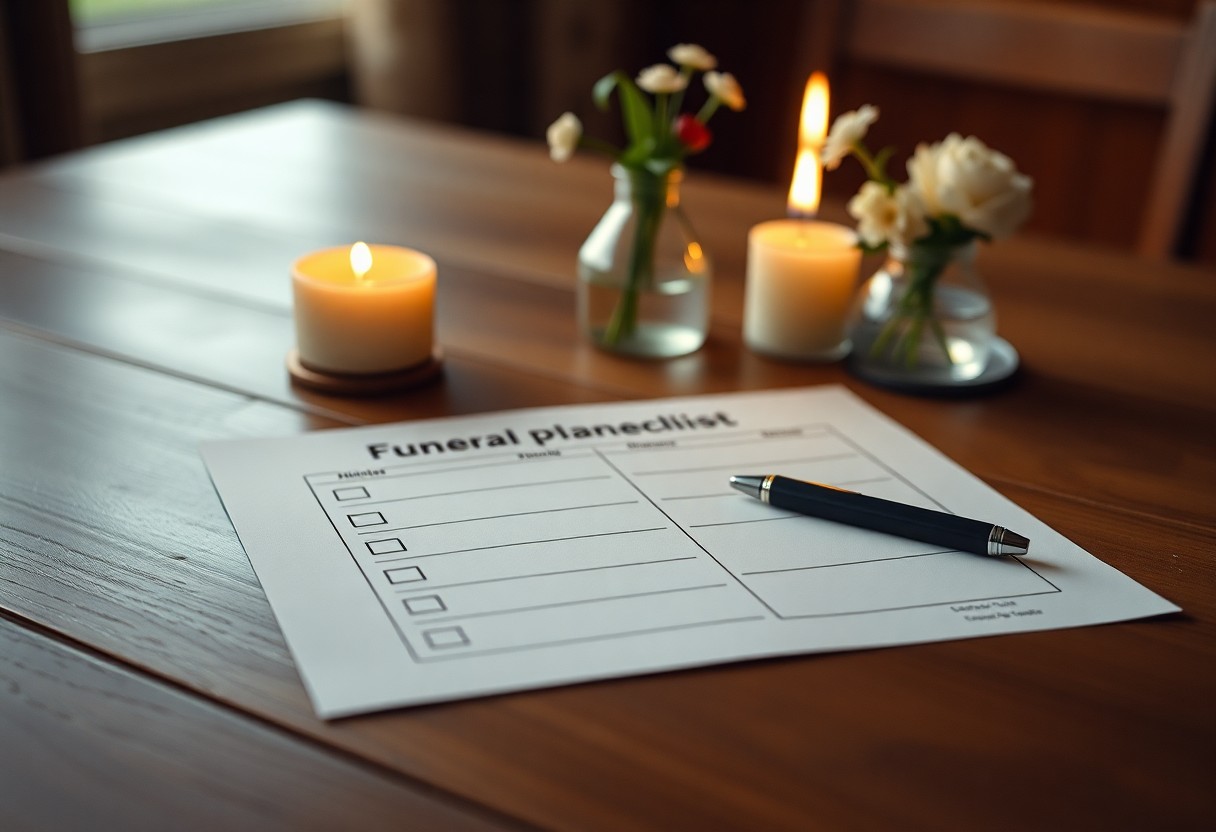
Most people find planning a funeral to be an overwhelming and emotional task. However, with the right strategy, you can navigate this process more easily. This ultimate checklist provides you with nine simple steps that will help ensure everything is organized and in place, allowing you to focus on honoring your loved one’s memory. By following these steps, you can make informed decisions, alleviate stress, and ultimately create a meaningful farewell that reflects your loved one’s life and wishes.
Understanding Funeral Options
Before venturing into the specifics of funeral planning, it’s crucial to understand the different options available to you. Every individual has unique preferences and circumstances, which can influence the style and format of a funeral. By familiarizing yourself with these choices, you can make informed decisions that reflect the wishes of your loved one and your personal values. This understanding can significantly reduce the stress associated with planning a funeral during an already emotional time.
Traditional Funerals
Below are the hallmarks of traditional funerals. Typically involving a gathering for a memorial service, a traditional funeral provides a structured way to honor and celebrate your loved one’s life. This option often includes elements such as a viewing or visitation, a formal ceremony, and burial or entombment. Keeping in line with your family’s customs, a traditional funeral may incorporate various religious rites, personal touches, and the presence of family and friends, creating a supportive environment for grieving.
Cremation Services
With cremation gaining popularity, it’s vital to understand how this option works. Cremation involves the process of reducing the deceased’s body to ashes, which can then be kept in an urn, buried, or scattered in a meaningful location. This choice can be more environmentally friendly and often less expensive than traditional burial options. Flexibility in memorial services is one of the significant benefits, as a memorial can be held at any time and place, making it easier to gather friends and family without the immediate pressure of traditional scheduling.
Funerals of any type can be tailored to suit personal needs, and cremation services provide multiple possibilities for honoring your loved one’s legacy. You can opt for a memorial service before or after the cremation, which allows for a personalized tribute that highlights your loved one’s unique personality and interests. Additionally, many families choose to incorporate special elements—such as music, photos, or personal stories—into the service, creating a meaningful farewell that resonates deeply with your memories. With thoughtful planning, cremation can serve as a respectful way to commemorate life while providing the flexibility your family might need during this difficult time.
Choosing a Funeral Home
Now that you’re beginning the planning process, selecting the right funeral home is a key part of ensuring a smooth experience during this challenging time. You’ll want a facility that aligns with your personal values, beliefs, and budget. Luckily, there are many options available today, catering to a range of preferences and needs.
Researching Options
Options can be abundant when it comes to funeral homes, but it’s crucial to identify those that best fit your requirements. Start by seeking recommendations from family, friends, or religious organizations. Additionally, consider browsing online reviews and visiting the websites of various funeral homes to get a feel for their services and reputation. Pay attention to their pricing structures, available packages, and specific offerings to see which ones resonate with you.
Questions to Ask
Questions you ask during your research can significantly impact your decision. Inquire about the range of services provided, including transportation, embalming, and memorial options. It’s important to clarify pricing and what is included in each package, as well as any additional fees you should be aware of. Ensure that you feel comfortable with the staff’s approach and willingness to accommodate your family’s unique needs.
Funeral directors are accustomed to answering a variety of inquiries, so don’t hesitate to ask about the logistics involved in planning a service, including timelines and how they handle special requests. Your comfort and ease during this process matters, so take the time to understand what each home offers. When you engage with the funeral homes and ask these pointed questions, you’re not just gathering details; you’re finding a partner who can guide you through these next steps with compassion and professionalism.

Preparing Important Documents
One of the most imperative steps in planning a funeral is preparing the necessary documents. This organization can help ease some of the stress for your loved ones during an already difficult time. By compiling important paperwork ahead of time, including wills, death certificates, and any prearrangement contracts, you provide those you care about with a clear guide to follow, allowing them to focus on honoring your memory and celebrating your life.
Legal Requirements
About the legal aspects, you should ensure that all required documents are readily available, as they may be needed by your family when making funeral arrangements. This could include a certified copy of your will or any legally binding agreements you may have established regarding your funeral preferences. You may also want to provide information on how to obtain additional copies of your death certificate, as multiple copies are often necessary for settling estates and other legal matters.
Personal Preferences
After addressing the legal requirements, consider documenting your personal preferences regarding the type of funeral service you wish to have. This can encompass details such as your desired burial location, specific religious or cultural practices, and any particular songs or readings that hold significance for you. By outlining your wishes, you give your loved ones a clear framework to work within, which can prevent potential disagreements and make for a more meaningful tribute.
It is vital to communicate your personal preferences openly with your family and to put everything in writing. You might also consider including information on a preferred funeral home and any specific flowers or donations you would like in lieu of flowers. Being explicit about your wishes provides your family with comfort and guidance during their decision-making process, ultimately enabling them to honor your memory in a way that aligns with your values and desires.
Budgeting for Expenses
Not having a clear financial plan can quickly add undue stress to the already challenging process of funeral planning. By creating a detailed budget, you can avoid unexpected expenses that may arise and help ensure that you honor your loved one’s memory within your financial means. Taking the time to understand the potential costs associated with a funeral can save you from emotional and financial strain later on.
Cost Breakdown
Between the various components of a funeral, costs can accumulate rapidly. You should be aware of the typical expenses, which may include funeral home services, casket or urn selection, transportation fees, burial or cremation costs, and any administrative fees for necessary permits or documents. Depending on the choices you make, these expenses can range from a few thousand dollars to significantly higher amounts, so it’s wise to prioritize which services are non-negotiable for you and your family.
Financial Assistance Options
The burden of funeral expenses can be overwhelming, but fortunately, there are several financial assistance options available to help you navigate these expenses. Many funeral homes offer payment plans, which can allow you to spread costs over time. Additionally, you should look into community resources, such as non-profit organizations or religious institutions, that might provide financial aid or support in your time of need. Government programs, including veterans’ benefits, can also help reduce costs for eligible individuals.
Consequently, exploring these possibilities may uncover support you didn’t know was available. Some organizations might offer grants to cover specific costs, while others might assist with logistical arrangements. It’s beneficial to reach out and ask about these options early in your planning process, as they can alleviate some of the financial pressures associated with a funeral and give you peace of mind during this difficult time.

Personalizing the Service
For many, a funeral is not just a time for mourning but also an opportunity to celebrate the life and individuality of the deceased. Personalizing the service can provide comfort to grieving loved ones. You can create a more meaningful experience by incorporating specific themes or tributes that reflect the passions and interests of your loved one. Consider meaningful symbols, colors, or even music that resonate with their personality, as these elements can transform a standard service into a heartfelt tribute that truly honors their legacy.
Themes and Tributes
Across different cultures and communities, you can see how thematic funerals have become popular as they provide a unique way to showcase the life of the deceased. Whether it’s a celebration of their love for gardening, travel, or a favorite film, choosing a theme can create a more engaging atmosphere for attendees. Perhaps you might consider a tribute that involves displaying personal items, photographs, or even sharing anecdotes that encapsulate your loved one’s life journey, allowing guests to connect and reminisce about fond memories.
Involving Family and Friends
At the heart of creating a personalized service is the involvement of family and friends. Gathering insights from those who knew your loved one well can unveil unique aspects of their personality that might otherwise go unspoken. You could invite them to contribute by sharing stories, reading poems, or participating in rituals during the service. Such involvement can not only enrich the ceremony but also foster a sense of community, giving everyone a chance to express their grief and support one another.
It’s worthwhile to establish a sense of collaboration during the planning stage by reaching out to family and friends. Engaging them in the process can help gather meaningful ideas and support, ensuring that the service resonates with everyone present. Consider asking family members for their favorite memories, favorite songs that remind them of your loved one, or even volunteering to help with from logistical planning to creating a slideshow of cherished moments. This shared experience can alleviate some of the stress associated with planning, while simultaneously encouraging a supportive atmosphere during the service itself.
Making Arrangements in Advance
Your decision to plan a funeral in advance can greatly alleviate the emotional burden on your loved ones during a difficult time. By taking the initiative to outline your wishes, you not only ensure that your preferences are honored, but you also help your family avoid the stress of making decisions amidst their grief. Pre-planning allows you to consider every aspect of the service, from the choice of location to specific rituals, which can lead to a more personal and meaningful farewell.
Pre-planning Benefits
Against common misconceptions, pre-planning is not morbid but rather a thoughtful way of demonstrating care for your family. It enables you to lock in prices, which can help your loved ones avoid rising costs associated with funeral services. Additionally, by discussing your preferences in advance, you give your family clear guidance, potentially easing any guilt or uncertainty they may feel about making decisions on your behalf.
How to Get Started
The process of making funeral arrangements in advance begins by educating yourself about the available options. Research local funeral homes and services to find one that aligns with your values and preferences. Create a detailed plan that outlines your desired services, including the type of funeral (traditional, memorial, etc.), burial or cremation preferences, and any specific readings or music you wish to include.
Arrangements are best made by asking yourself the key questions about your desires and how you wish to be remembered. Take some time to discuss your ideas with family members, ensuring they understand your wishes and are comfortable with them. You can also consider putting your preferences in writing and discussing pre-paid services with a funeral provider, helping to lift the financial burden off your loved ones while clarifying your wishes further. This proactive approach will lead to a more serene and respectful farewell for all involved.
Finalizing Logistics
After you have navigated the emotional aspects of planning a funeral, it’s time to shift your focus to the logistical details that will ensure everything goes smoothly on the day of the service. Finalizing logistics involves a range of considerations that will ease the burden on your family and loved ones, allowing them to concentrate on paying their respects rather than managing the details. This step often includes everything from transportation and venue arrangements to burial or scattering choices, making it imperative for you to address these items early on.
Transportation Details
Before the funeral service, you must arrange transportation for yourself and your guests. This includes how the deceased will be brought to the venue, as well as the vehicles needed for family members and friends attending the service. You may opt for a hearse for the deceased, along with a family limousine or designated cars for those who need a ride. Additionally, coordinate with the funeral home to ensure that all vehicles arrive on time. You can also consider providing information to guests about parking or shuttle services, if applicable, ensuring everyone knows their options and feels comfortable.
Burial or Scattering Arrangements
Behind this significant decision lies the importance of selecting the final resting place for your loved one. You may choose a traditional burial in a cemetery, a mausoleum, or opt for scattering their ashes in a location that held particular meaning for them. Whichever option you select should be made after thorough discussions with family members and consideration of any preferences expressed by the deceased.
With various regulations and logistical details to manage, it’s imperative to consult with local authorities and the chosen venue for burial or scattering. Knowing the rules about what is required for burial plots, permits for scattering in public places, and even the presence of local wildlife can save you from unexpected hurdles. Providing this information in advance ensures that your plans are executed smoothly and that the final wishes of your loved one are honored in the way they desired.
Final Words
Drawing together the various aspects of planning a funeral can feel overwhelming, but with the ‘Ultimate Funeral Checklist – 9 Simple Steps For Stress-Free Planning’, you are well-equipped to tackle this important task. Each step is designed to guide you through the process, helping you make informed decisions that reflect your loved one’s wishes while also respecting your emotional needs. By following these nine steps, you can create a meaningful tribute without added stress, ensuring that every detail aligns with the legacy you wish to celebrate.
As you navigate this journey, keep in mind that you are not alone. Utilizing this checklist empowers you to take control of the planning process at your own pace. The structure and support it provides allow you to focus on what truly matters—honoring a life well-lived. Whether it’s selecting the right venue or deciding on floral arrangements, each choice is an opportunity to reflect on the bond you shared. Lean into this proactive approach, and you will find the experience a little more manageable during a time that can otherwise feel daunting.
